Boomerang Bet Pokies In Australia

A practical 2026 walkthrough for Australian players who want live dealer action and slot-style play, with simple control tips.

Slot Fortune Gems 2

Table of Contents

  • The Dog House Megaways Slot
  • Lucky Joker 10 Extra Gifts Slot
  • Sword of Ares Slot
  • Floating Dragon Hold & Spin Slot
  • Leprechaun Riches Slot
  • Fruit Coctail Slot
  • The Dog House Megaways Slot
  • Sword of Ares Slot
  • Fruit Million Slot
  • The Dog House Megaways Slot
  • Fruit Box Slot
  • Big Fisherman Slot
  • Seven Books Unlimited Slot
  • Boomerang Bet Fortune Slot
  • Sword of Ares Slot
  • Floating Dragon Hold & Spin Slot
  • 9 Mad Hats Slot
  • Floating Dragon Hold & Spin Slot
  • Big Bass Splash Slot
live 1

Boomerang Bet In Australia: A 2026 Quick Read

Imagine it is Tuesday night, you have a little time to yourself, and you want something that feels like a clean break - not a new hobby. That is a good mindset here: keep it simple, keep it adult-only, and keep it within the rules that apply where you live.

Most players in 2026 are not searching for “the best game.” They want a smooth flow: open the lobby, find something fast, play a short session, and leave without a mess. That smooth flow comes from small habits - saving favourites, knowing where history sits, and setting limits before emotions show up.

How Boomerang Bet Live Casino Fits A Weeknight

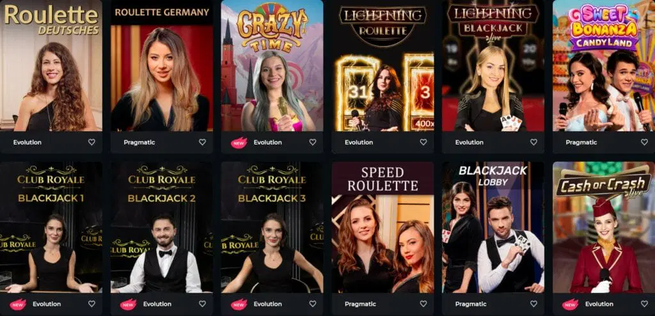
Picture this: you open the live dealer section and the round is already running. Timers are counting down and your finger wants to tap before you even understand what is on screen. The trick is to slow the moment down: watch one round, learn the rhythm, then play.

live 2

Live dealer play feels better when you think in “blocks,” not in single outcomes. Set a modest stake range for the first ten rounds, focus on comfort with the interface, and only then decide if the pace suits you tonight. If you notice you are getting tense, that is not a failure - it is feedback.

Choosing A Table Without Feeling Rushed

Imagine you join a busy table and five seconds later you realise you cannot read the layout properly. Back out and pick a calmer pace. Leaving early is not “missing out” - it is choosing a table that lets you think.

Use a quick checklist: minimum and maximum stakes are easy to spot, round history is easy to find, and the timer gives you time to confirm your bet. If one of those feels messy, switch before you place anything.

Keeping Stakes Steady When The Room Gets Loud

Picture yourself seeing other players raise stakes and feeling the urge to follow just to match the energy. Anchor yourself. Stick to the range you chose at the start and play a full block before you change anything.

If your hands are moving faster than your brain, you are probably playing for mood, not for fun. Take a short break, lower the stake, or step away for the night.

Making Boomerang Bet Pokies Feel Less Random

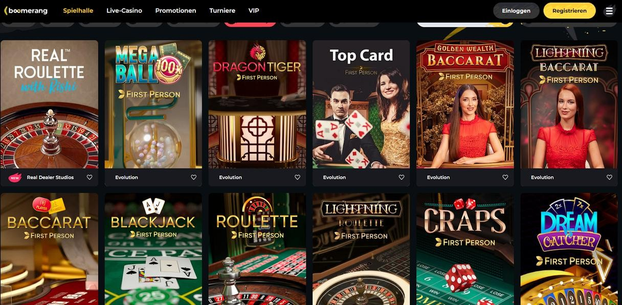
Imagine you open the slots lobby and it is a wall of thumbnails. The easiest mistake is scrolling until you are tired and then picking something at random. Instead, decide what you want from the next 15 minutes: calm rhythm, feature-heavy play, or a quick “in and out.”

live 3

Slot-style games are built for speed, so your job is to add structure. In 2026, the simplest structure is a small favourites shelf: three to five games you actually enjoy, plus one backup option when you want a change without chasing a feeling.

Building A Small Favorites Shelf

Picture this: you find a game you like, leave, and next time you cannot remember what it was called. Save it. A tiny shortlist stops you from re-scrolling the entire lobby every session.

Play in blocks: set a number of spins, pause, then decide to continue or switch. That pause is what keeps the session in your hands.

Volatility Without The Buzzwords

Imagine you pick a game that feels quiet for a while and boredom pushes you to raise stakes. That is usually a sign the rhythm is wrong for your mood. Some games feel steadier, others swing more. You do not need jargon - you just need to notice how you react.

A practical rule: do not change stakes because you feel impatient. If you are bored, switch games, not bankroll.

Switching Games For The Right Reason

Picture yourself thinking, “This one is cold, I need a new one,” after only a handful of spins. That is a trap. Switch because you want a different theme or pace, not because you believe hopping around will control randomness.

When you switch, reset your mindset. Treat it as a fresh mini-session with its own small plan.

Sign-Up, Checks, And That First Deposit Moment

Imagine you sign up on your phone while distracted, and later you realise your profile details do not match your payment method. That is where avoidable delays come from. The fix is simple: slow down once, set things up cleanly, and then play without constant admin.

For Australian players, expect standard age and identity checks at some point, because this is designed for adults. Keep details consistent, use payment methods you control, and avoid rushing through forms while multitasking.

Your first deposit is also a psychological moment. A lot of people deposit more than they planned because they want to feel “ready.” A better move is to deposit modestly for the first session and use it to learn the flow: where limits are, how history looks, and how you react when results swing.

A Clean Setup Checklist That Saves Time

Picture this: you take a week off, come back, and cannot remember what settings you changed. That is why a simple checklist helps. Confirm contact details, set a deposit cap, set a session reminder, and learn where transaction history lives.

If you want one extra safety habit, keep your login clean: strong password, secure email access, and avoid shared devices. It does not change the fun - it removes the annoying problems.

Deposits And Cashouts: A Routine That Saves Nerves

Imagine you start with a good mood, then you keep playing “just a bit more” and suddenly you are annoyed and chasing. A routine prevents that. It gives you an ending, so you do not have to make emotional decisions on the fly.

Start with a session budget you can afford as entertainment, then add one stopping rule. Some people prefer time (“I stop after 40 minutes”), others prefer money (“I stop when this deposit is finished”). Either works if it is clear enough that you cannot bargain with it later.

Keep your payment behaviour simple. Switching methods repeatedly can confuse your history and slow support conversations. Choose one main method you control and keep your account details consistent.

When you request a cashout, do not hover over the status like it is a scoreboard. Picture yourself refreshing the page and getting more anxious every minute. Confirm the request details once, note the time for yourself, and step away; processing can depend on the method and internal checks.

If you hit a win that genuinely makes you happy, protect it. Many players spoil that moment by instantly trying to double it. One calm habit is cashing out a portion at your personal “nice win” point, then continuing at lower stakes if you still want to play.

Step

What To Check

Why It Matters

Quick Tip

Before Funding

Session budget and a deposit cap

Prevents repeat top-ups

Set the cap while you feel calm

Choosing A Method

You control it and details match

Reduces verification friction

Stick to one main method

During Play

Balance check every few minutes

Stops emotional chasing

Play in short blocks, then pause

Requesting A Cashout

Amount, method, and status text

Avoids simple mistakes

Note the time for your records

After Requesting

Your next move (stop or low-stakes)

Prevents instant re-deposits

Take a break before deciding

Mobile Play And Support When Real Life Interrupts

Imagine you are on the couch, one hand on your phone, a show on in the background, and you tap faster because the game is right there. Mobile is convenient, but it can blur time. The fix is making the screen easier to use and giving yourself real checkpoints.

Rotate to landscape if the layout allows it. Close extra panels so you are not hunting for buttons. If your connection is unstable, choose simpler games and keep stakes modest, because lag can make you impatient and impatience leads to sloppy decisions.

Support is also for small clarity questions that prevent bigger problems later: where to find history, why a transaction label looks a certain way, or how to change limits. The fastest conversations happen when you stay calm and provide clear details.

Playing On The Couch Vs On The Go

Picture this: at home you play slowly and feel fine, but outside you start rushing because the connection dips. That change in pace can change your decisions. When you are away from stable internet, keep sessions shorter and avoid high-pressure tables.

If you notice yourself rushing, pause for 30 seconds and reset. One small pause often saves you from a chain of impulsive taps.

Messages Support Can Actually Use

Imagine you write, “My withdrawal is broken,” and the reply is generic because nobody knows what you mean. Now imagine you write one clean message: method used, amount, the time you requested it, and the exact status text you see. That message is easy to act on.

Ask one question at a time. Keep it short. If you need to add details, reply in the same thread so everything stays organised.


Staying In Control Without Killing The Fun

Imagine you are not enjoying the session anymore, but you keep going because you want to “fix” the outcome. That is the moment to use a tool. Time-outs, deposit caps, and self-exclusion options exist to protect your future self when the present moment is noisy.

Set boundaries before you play: budget, time window, and what “done” looks like. Then treat those boundaries like part of the routine, not like a punishment. If chasing thoughts show up - “just one more to get back” - stop, take a break, and return only if it feels like entertainment again.

FAQ

Give your session an ending before you start: choose a time window, pick one game type, and play in a fixed block rather than endlessly switching. Imagine you are squeezing play in before sleep and “one more round” keeps stretching the night. Use a reminder as a checkpoint and close the lobby when the block is done.

Treat losses as the cost of entertainment, not a problem to solve. Imagine you lose a few rounds and your brain suggests bigger stakes to “fix it” quickly - that is the moment to pause, breathe, and either lower the stake or stop for the night. A short time-out often works better than arguing with your mood.

Pick based on the kind of attention you have right now. Imagine you are alert and want slower decisions - live dealer tables can feel more deliberate. If you are tired and want something simple, slots-style play can be easier, but autopilot is more likely. Choose what keeps you calm.

Do it while you are calm, not right before you want to cash out. Imagine you spot a small typo and ignore it, then later it becomes the reason you have to answer extra questions. Update the details carefully and keep your payment method information consistent so future checks feel smoother.

Build a shortlist and commit to blocks. Imagine you are scrolling because you feel restless, not because you actually dislike the game - that restlessness turns into chasing. Pick one title, set a number of spins, pause, then decide. Switching becomes a choice instead of a reflex.

Include what happened, when it happened, the amount if money is involved, the method used, and the exact status text you see. Imagine support reading your message with no context - facts save time. Keep it to one issue per message so the conversation stays clean.

Use a time-out when you feel emotionally stuck, and consider self-exclusion if you repeatedly break your own boundaries. Imagine you are not having fun, but you cannot stop clicking anyway - that is a warning sign. These tools are practical ways to protect your budget, your sleep, and your relationship with gambling.